Bedding & Adjustable Sleep Systems
Why Split-King Adjustable Beds Need a Different Sheet Setup
A split-king bed looks like one generous sleeping surface, but beneath the bedding it is usually two independent Twin XL mattresses. That small difference changes how sheets fit, move, and stay put when either side rises. Understanding the layout makes it easier to choose bedding that works with the bed rather than against it.
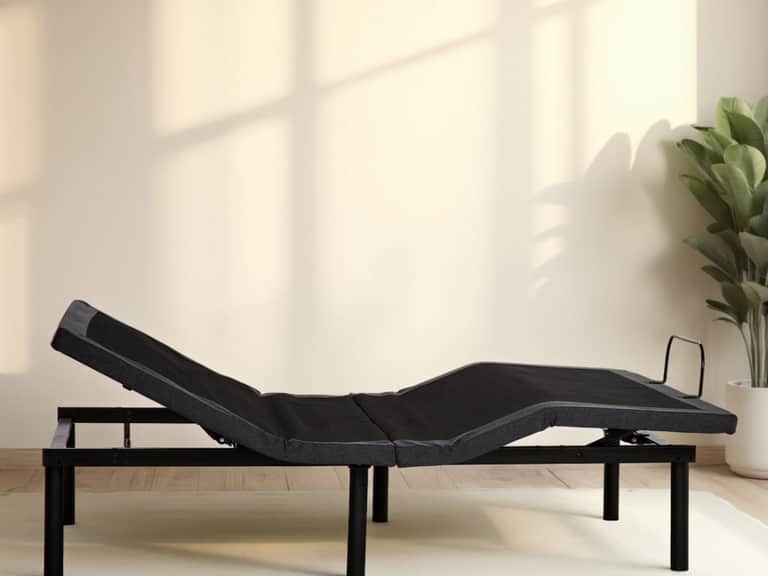
A split-king bed is designed for shared sleep without requiring both sleepers to share the same position. Each person has a separate mattress and adjustable base, so one side can lift at the head or feet while the other remains flat. The arrangement can be useful when partners have different comfort preferences, schedules, or reasons for adjusting their sleeping position.
But a split king is not simply an ordinary king bed with an adjustable feature added. Its two-part construction affects the sheet system. Fitted sheets must accommodate separate mattresses, while the top sheet and duvet may either bridge the center seam or allow the two sides to move more independently. Choices that feel straightforward on a standard king can behave differently when the bed changes shape.
The central principle is simple: size the fitted sheets for the individual mattresses, then decide how much connection you want across the top of the bed. From mattress dimensions and pocket depth to fabric stretch and bedding layers, a little planning can prevent corners from slipping and fabric from tugging when the bases move.
What “split king” means in practice
A typical split-king setup pairs two Twin XL mattresses. Each Twin XL is generally about 38 inches wide and 80 inches long; together, they create a sleep surface roughly equivalent in overall width and length to a standard king. Exact dimensions can vary by manufacturer, so the mattress labels and specifications should always take precedence over general sizing descriptions.
The important distinction is not only the total width. A conventional king mattress is one continuous piece, while a split king has a seam running down the middle. In an adjustable arrangement, that division allows each side to move separately. When one base raises its head section, the mattress and bedding on that side follow its curve. The other half can remain level, or move to a different position.
That independent movement is the source of the bed’s flexibility—and the reason ordinary king bedding may not behave as expected. One fitted king sheet has to span both mattresses and the middle seam. As the bases articulate in different directions, the sheet can become taut, wrinkle, or pull at the corners. A sheet that appears comfortable while the bed is flat may be less secure once the head or foot sections rise.
Separate Twin XL fitted sheets give each mattress its own close-fitting layer. They can move with their respective sides without requiring one fitted sheet to bridge the divide. For many households, this is the simplest starting point for a split-king sheet setup.
>Why the fitted sheet is the key layer
Fitted sheets make direct contact with the mattress and are anchored beneath its edges. On a split king, each fitted sheet needs to match one Twin XL mattress rather than the combined bed. This keeps the center seam clear and lets each half of the bed adjust with less tension across the other side.
Before choosing sheets, measure the mattress length, width, and depth. Mattress depth includes the mattress itself and may be affected by a topper or pad. A fitted sheet’s pocket depth must be sufficient to wrap around the full stack and tuck securely underneath. If the pocket is too shallow, elastic may creep up over the corners. If it is much deeper than necessary, excess fabric can bunch beneath the mattress.
Do not assume every bed labeled “king” or “split king” has identical measurements. Check whether your set includes two Twin XL fitted sheets, and confirm the fitted-sheet dimensions listed by the maker. A split-king set may include a shared flat sheet with two separate fitted sheets, while a standard king set generally supplies one king-size fitted sheet. The distinction is worth verifying before purchase.
Adjustable beds can also place unusual demands on sheet fit. When the head or foot rises, the mattress surface bends, and a fitted sheet may shift as fabric is drawn toward the moving sections. Elastic all around the fitted-sheet edge can help provide a secure fit, but no sheet can compensate for a mismatch in size or pocket depth. A well-fitted sheet should stay anchored without being stretched so tightly that it restricts the bed’s movement.
If you use a mattress pad or protector, include it when estimating the total depth. A protective layer adds height and may change how a fitted sheet sits. The Sleep and Beyond organic cotton sateen sheet set, for example, is described as having deep pockets for mattresses up to 18 inches and includes a split-king configuration with two Twin XL fitted sheets. Its specifications provide a useful example of the details to check; confirm the dimensions and fit against your own mattress before choosing a set.
Shared top sheets or two separate ones?
Once the fitted sheets are settled, the next decision is what to do above the mattresses. Some split-king sets use one flat sheet across the full bed. This keeps a familiar, unified appearance and can feel similar to making a conventional king bed. The trade-off is that a shared sheet may shift or pull when one side is raised, especially if the sleepers want different positions.
Other households use two separate top sheets, one for each Twin XL side. This allows each sleeper to adjust the covers independently, reducing tugging across the center. It can be especially practical when one person moves a base frequently or prefers to sleep beneath a different amount of bedding. The bed may look less uniform when made, but daily comfort and ease of movement can matter more than a perfectly smooth surface.
A third approach is to use separate fitted sheets and a shared flat sheet, then observe how the bedding behaves in the positions you use most. Some couples find this arrangement comfortable, particularly when the two bases are usually adjusted together. Others prefer more independence. There is no universal rule: the right configuration depends on how often the sides move separately, how much each person moves during sleep, and whether the center seam is noticeable.
A comforter or duvet can also bridge the gap between mattresses. A single cover may help the bed appear continuous, but a heavy cover can be drawn toward the lower side when the bases are at different angles. Lighter bedding may be easier to reposition. Separate blankets or duvets provide greater independence and can reduce the familiar tug-of-war over covers, though they create a visibly divided arrangement.
Try the bedding in more than one position before deciding that the setup works. Raise the head of one side, lower the other, and test any positions used regularly. Watch for fabric that pulls hard at the mattress corners, gathers in the middle, or becomes uncomfortable across the legs. Small adjustments to how a flat sheet is tucked can help, but persistent tension may indicate that a shared top layer is not the best fit for your routine.
Material, weave, and stretch all affect movement
Sheet construction shapes how bedding feels and how readily it follows a moving surface. Cotton percale is commonly associated with a crisp, breathable feel, while cotton sateen tends to feel smoother and silkier. Neither weave is automatically the best choice for every adjustable bed. The more useful questions are whether the fabric feels comfortable to the sleeper, suits the room’s temperature, and has enough give and suitable sizing to remain manageable as the mattress moves.
Natural fibers, such as cotton, can be valued for their familiar hand feel and airflow. A fabric’s actual performance also depends on its weave, weight, finishing, and care. A stretch-knit sheet may conform readily to mattress contours, while a crisp woven sheet may feel more structured. If you are considering sheets marketed for adjustable beds, look for clear information about fabric composition, fitted-sheet dimensions, elastic construction, and compatibility with your mattress depth.
Thread count is only one specification and does not, by itself, guarantee comfort or quality. Weave, yarn, finishing, and construction are all relevant. Reinforced corners and durable elastic can help a fitted sheet withstand repeated installation and movement, but the right fit remains essential. For adjustable beds, a well-made sheet that is correctly sized is generally more useful than a high thread-count label without clear sizing information.
Wash and dry bedding according to the care instructions. Some natural cotton products may shrink, particularly during their first washes. If the fitted sheet is already close to the limit of the mattress depth, shrinkage can make it harder to keep in place. Checking care guidance and allowing for the combined height of mattress and bedding layers can help prevent a snug fit from becoming too tight over time.
How mattress pads and protectors change the fit
A mattress protector or pad sits between the mattress and the fitted sheet, adding another layer to the bed. It may help protect the mattress from spills, ordinary wear, or other household needs, while a quilted pad can add a little cushioning. But every additional layer changes the overall thickness the fitted sheet must cover.
Measure the complete sleep surface after adding any topper, pad, or protector. A fitted sheet that fits the mattress alone may not reach far enough beneath the edges once a thick layer is included. Conversely, a sheet chosen for an unusually deep mattress may feel loose if the bed has no added layers. Accurate measurement helps avoid both problems.
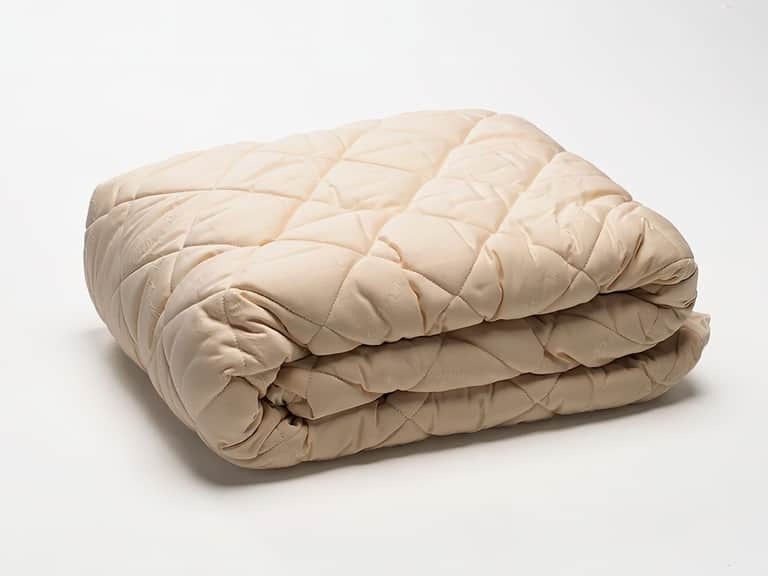
Deep-pocket pads can be relevant for thicker mattresses and layered setups. The Suite Sleep Washable Wool Mattress Pad, for instance, has a fitted style with 18-inch pockets and a washable wool fill within organic cotton fabric. Its construction and pocket depth are specifications to compare with the particular mattress and sheet combination in use. The product should not be assumed to suit every split-king bed simply because it has deep pockets; verify its size and compatibility with the individual Twin XL mattresses.
Layering should not interfere with the adjustable base. Keep fabric, straps, and loose bedding clear of moving joints and mechanisms, and follow the bed manufacturer’s instructions for mattress and bedding use. If a pad or protector shifts, bunches, or pulls when the bed is articulated, reassess the fit before relying on it overnight.
A practical checklist before buying split-king sheets
Product labels can use similar language for different configurations, so check the details rather than relying on the set name alone. Before ordering, compare the bedding specifications with the actual bed.
- Confirm the mattress size: Check that each mattress is Twin XL and verify its measured dimensions.
- Check the fitted-sheet count: A split-king set usually needs two Twin XL fitted sheets, not one king fitted sheet.
- Measure total depth: Include mattress pads, protectors, and toppers when calculating the required pocket depth.
- Review the top-sheet arrangement: Decide whether you want one shared flat sheet, two individual sheets, or another combination.
- Consider how the bases move: Think about whether the two sides are often raised to different angles.
- Inspect elastic and corner construction: Look for clear descriptions of how the fitted sheet is secured.
- Read the care instructions: Washing and drying can affect fabric feel, fit, and long-term durability.
- Keep bedding compatible with the base: Follow the adjustable-bed manufacturer’s guidance and keep loose fabric away from moving parts.
When a sheet set lists a split-king size, read what is included. It may contain a flat sheet, two fitted sheets, and pillowcases, but the number and dimensions of each component can vary. Twin XL fitted sheets are often the defining feature; pillowcase sizes and flat-sheet dimensions are separate details to confirm.
Common fit problems and what they can signal
If a fitted sheet repeatedly pops off a corner, first check that it is on the correct mattress size and that the pocket is deep enough for every layer. Then make sure the sheet is positioned evenly and that the elastic reaches underneath the mattress. If the sheet becomes taut when the base moves, test the bed with fewer added layers or try a separate fitted sheet on each side.
Fabric gathering along the center seam can happen when a shared top layer is caught between two mattresses moving independently. Repositioning the sheet may offer a short-term fix, but a separate top sheet on each side can provide a more consistent result. Likewise, if a duvet slides toward one side during adjustment, consider its weight, the angle of movement, and whether separate covers would suit the sleepers better.
A gap between mattresses may be more noticeable as the bases move. Bedding cannot remove the physical division built into a split king. A shared mattress bridge or connector may be available for some setups, but compatibility varies and should be confirmed with the bed manufacturer. Avoid improvised fixes that could obstruct the adjustable mechanism or create an unstable surface.
Persistent bunching, unusual noises, or resistance during adjustment should not be treated as a sheet problem alone. Stop and inspect the bed according to its instructions. Keep bedding away from hinges, motors, and other moving areas, and consult the manufacturer if the base does not move freely.
The most workable setup is the one that follows your routine
Split-king bedding is not a test with one correct answer. A shared flat sheet may suit people who mostly keep both sides level, while separate top sheets may work better when each sleeper adjusts independently. Some prefer the familiar look of one duvet; others value the freedom of separate covers. The best arrangement is the one that stays comfortable through the positions the bed actually uses.
Begin with two correctly sized Twin XL fitted sheets and confirm that their pocket depth suits the full mattress stack. Add a shared or separate top layer based on how much independent movement you want. Then test the combination with the adjustable bases in their everyday positions. This sequence makes it easier to identify whether an issue comes from the fitted-sheet dimensions, the bedding layers, or the choice to share a top sheet.
A split king offers two people a way to share a bed while keeping control over their own side. Bedding that respects that division can make the arrangement feel more natural: secure at the corners, comfortable across the surface, and free to move as the bases change. In the quiet geography of the bedroom, good fit is a small detail with a practical effect—one that helps the bed work as it was designed to work.
Frequently asked questions
Can I use regular king sheets on a split king?
A standard king flat sheet or duvet may be used across the combined surface, depending on preference. A single king fitted sheet is usually less suitable when the two Twin XL mattresses need to adjust independently. Two Twin XL fitted sheets allow each side to move without stretching one fitted layer across both mattresses.
Are two Twin XL fitted sheets the same as split-king sheets?
They can serve as the fitted-sheet component of a split-king setup if their dimensions and pocket depth match the mattresses. A complete split-king set may also include a shared flat sheet and pillowcases. Check the package contents instead of assuming that every set labeled “split king” includes the same pieces.
Do split-king beds require two comforters?
No. A shared comforter or duvet may suit sleepers who prefer a unified cover, while two separate covers can allow greater independence and reduce tugging. Consider how often the bases move separately and how the bedding behaves when one side is raised.
How do I know whether deep-pocket sheets will fit?
Measure the mattress, including any topper, pad, or protector, then compare the total depth with the sheet’s stated pocket depth. Mattress and bedding dimensions can vary, so use the manufacturer’s measurements and care information as a guide.
Can bedding prevent the gap between the two mattresses?
Sheets can cover the surface, but they do not eliminate the division between two independent mattresses. If the seam is uncomfortable, check whether the bed’s manufacturer supports a connector or bridge for your specific setup. Any accessory should remain compatible with the adjustable mechanism.